
Definition:-
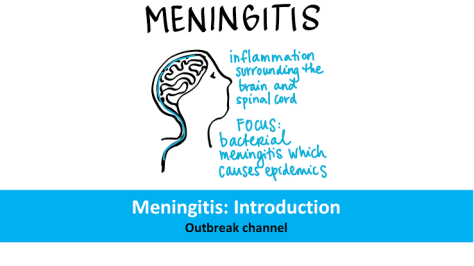
Meningitis is an inflammation of the meninges surrounding the brain and spinal cord. In true sense, it implies to infection of subarachnoid space or the leptomeninges(arachnoid and pia mater) but not dura mater.
Some important things about Meningitis:
1. Etiological classification of meningitis
3. Clinical manifestation of Meningitis
4. Laboratory diagnosis
5. Treatment of Meningitis
1. Etiological classification:-
Based on the chance in Leucocyte in cerebrospinal fluid (CSF), meningitis can be grouped into:
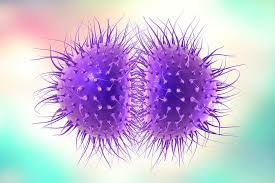
A. Pyogenic meningitis:-
It is characterized by elevated polymorphoneuclear cell in CSF
- It is exclusively caused by bacterial agent
- According to the age,the agent involved may vary
- Overall Streptococcus pneumonia is the most common cause of pyogenic meningitis
- However for the neonatal meningitis, the common agents are Group Bhai streptococcus, Escherichia coli, and Listeria.
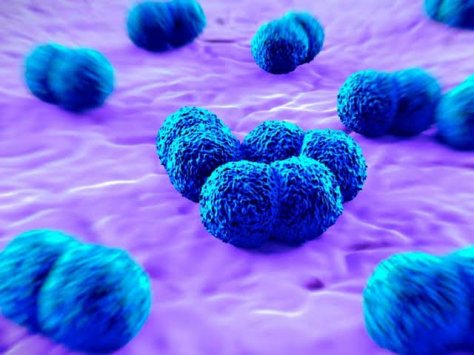
B. Aseptic meningitis:-
It is characterized by elevated lymphocytes in CSF. The etiological agents include viral, tubercular, fungal, and parasitic agents. The term ‘aseptic’ is frequently a misnomer, implying a lack of infection. On the contrary, with the advent of PCR and other newer diagnostics methods, it is now possible to detect most of these agents.
 biology today